

Lekki or Ajah: what the same budget buys on one road
They sit on the same corridor and are marketed as the same thing. The plot sizes, the drainage, the commute and the title histories tell a different story, and the right answer depends on which of those you can least afford to get wrong.
5 min read
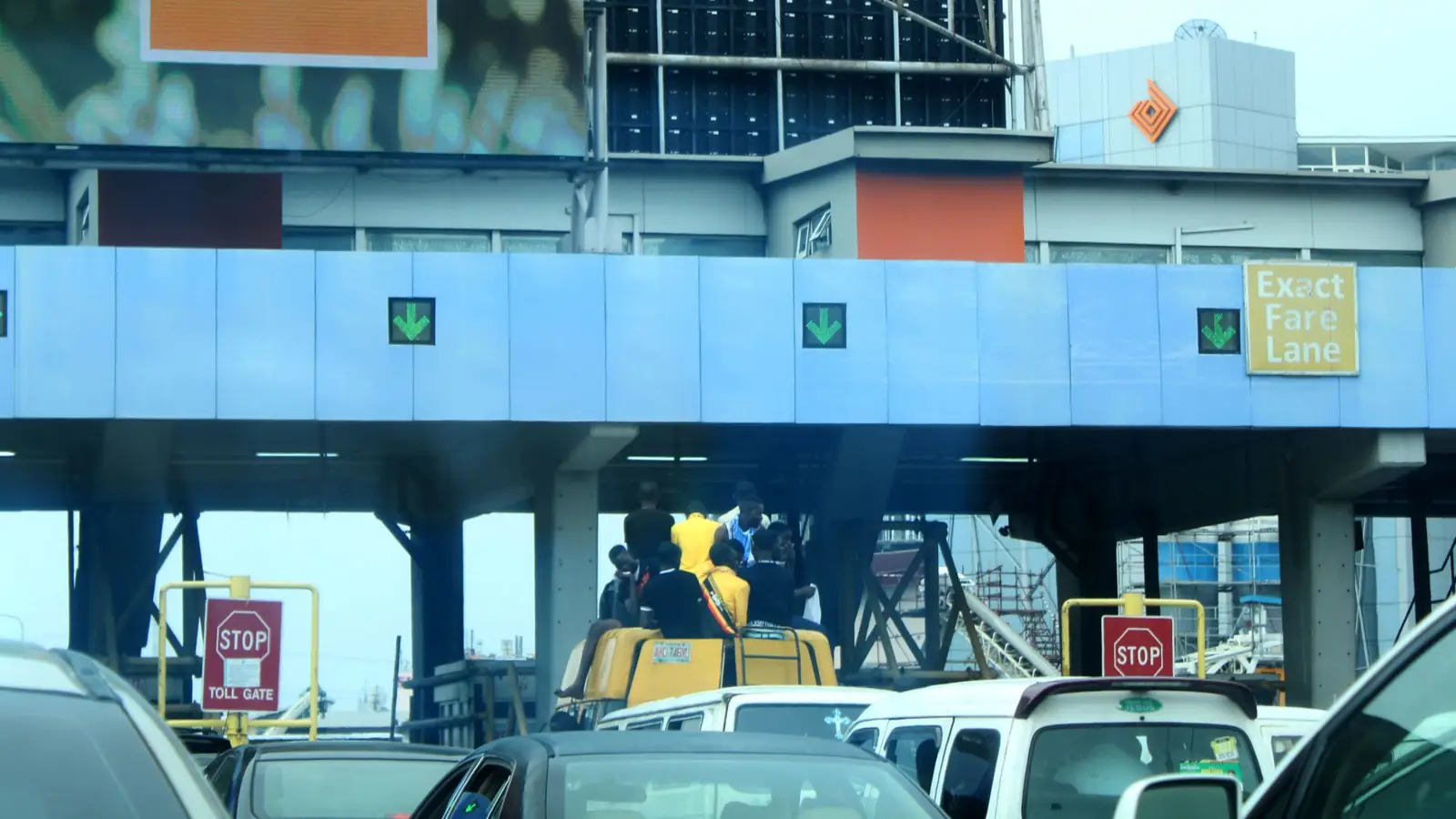
The Lekki peninsula is one road. Everything on it, Phase 1, Ikate, Osapa, Agungi, Chevron, Ikota, VGC, Ajah, Sangotedo, hangs off the Lekki-Epe Expressway, and where you sit along that line determines more about your daily life than the specification of the house does.
Buyers usually frame the choice as Lekki versus Ajah and treat it as a question of budget. It is really a question of which trade-off you are making.
The geography sets the price
Lekki Phase 1 is the oldest planned section, closest to the Lekki-Ikoyi Link Bridge and to Victoria Island. It was laid out on a grid, its plots are largely spoken for, and its supply is fixed. Nothing new is being created there; buildings are being replaced with denser buildings.
Move east and the plots get larger, the estates get newer, and the prices per square metre fall. By the time you reach Sangotedo you are in a market where a family can buy a detached house on its own compound for what a three-bedroom apartment costs in Phase 1.
That is the trade, stated plainly. The rest of this piece is about what else changes as you travel east.
The commute is the real cost
The peninsula has one arterial road and no rail. The Blue Line runs west from Marina towards Mile 2; it does not serve Lekki. Everything from Sangotedo to Victoria Island moves on the expressway, through the toll plazas, in a corridor that carries a deep sea port and a refinery in addition to a few hundred thousand commuters.
Lekki Deep Sea Port began commercial operations in April 2023 and the Dangote refinery sits in the same free zone. Both are enormous economic positives for the corridor and both put heavy vehicles on the road you use to get to work.
East of Ajah, an extra thirty minutes of commute is not a bad day. It is the schedule.
Test it yourself before you commit, and test it properly: leave the property at seven in the morning on a Tuesday and drive to wherever you actually work. Do the same journey at six in the evening. An inspection at eleven on a Saturday tells you nothing about the road you have bought.
Drainage separates good estates from cheap ones
The peninsula is low, sandy and reclaimed in places. Whether a specific estate floods is not a function of how far east it sits, it is a function of whether the developer built the drainage and whether anybody maintains it.
We have seen well-drained schemes in Sangotedo and standing water in far more expensive addresses. The variable is engineering, not postcode. Which means the question is never "is Ajah prone to flooding"; it is "what does this particular estate do with rainwater in September", and the only reliable way to find out is to ask the residents rather than the agent.
Title histories differ systematically
This is the part most buyers underweight.
Older Island property, and Phase 1 in particular, has a longer documented chain and is more likely to carry a Certificate of Occupancy or a properly consented deed. Newer estates further east are more likely to sit on land whose route to legitimacy runs through excision and gazette, family land released back by the state and then developed.
Excised and gazetted land is legitimate. But the chain is younger, the documentation is thinner, and the proportion of sellers offering a family receipt and a promise rises noticeably as you move east. If you buy out there, the survey chart search and the gazette reference matter more than they would in Phase 1, not less.
Amenity is not the differentiator people think
Both ends of the corridor have malls, hospitals, international schools and supermarkets. The east has been catching up quickly on retail, and Sangotedo in particular is no longer underserved.
Where the gap remains is in the depth of the professional and service economy: the density of offices, clinics and restaurants that makes a short trip a short trip. In Phase 1 you can be at a decent hospital in ten minutes. Further east you can too, on most days, on that road.
How to decide
Ask what you cannot afford to lose.
If it is time, buy as far west as your budget stretches and accept a smaller building. The corridor's traffic is a structural feature, not a phase, and no amount of interior finish compensates for four hours a day.
If it is space, a compound, a BQ, room for children, the east buys it, and it buys it with a real discount. Go in knowing you are buying a commute, and do the title work properly.
If it is capital preservation, the honest answer is that Phase 1's fixed supply is the more defensive position, and the east is the higher-variance one. Infrastructure in the free zone may reward it handsomely. It may also arrive later than the brochures suggest.
Our listings state the area, the plot, the title document and the address on the listing itself, and every one has been walked. If you tell us what you cannot compromise on, we will tell you which end of that road it points to, including when the answer is neither.