

Service charge in Lagos: what the number is actually buying
Two apartments in the same postcode can carry service charges that differ by a factor of three. The gap is almost never about luxury. It is about power, water and whether anyone is keeping accounts.
5 min read
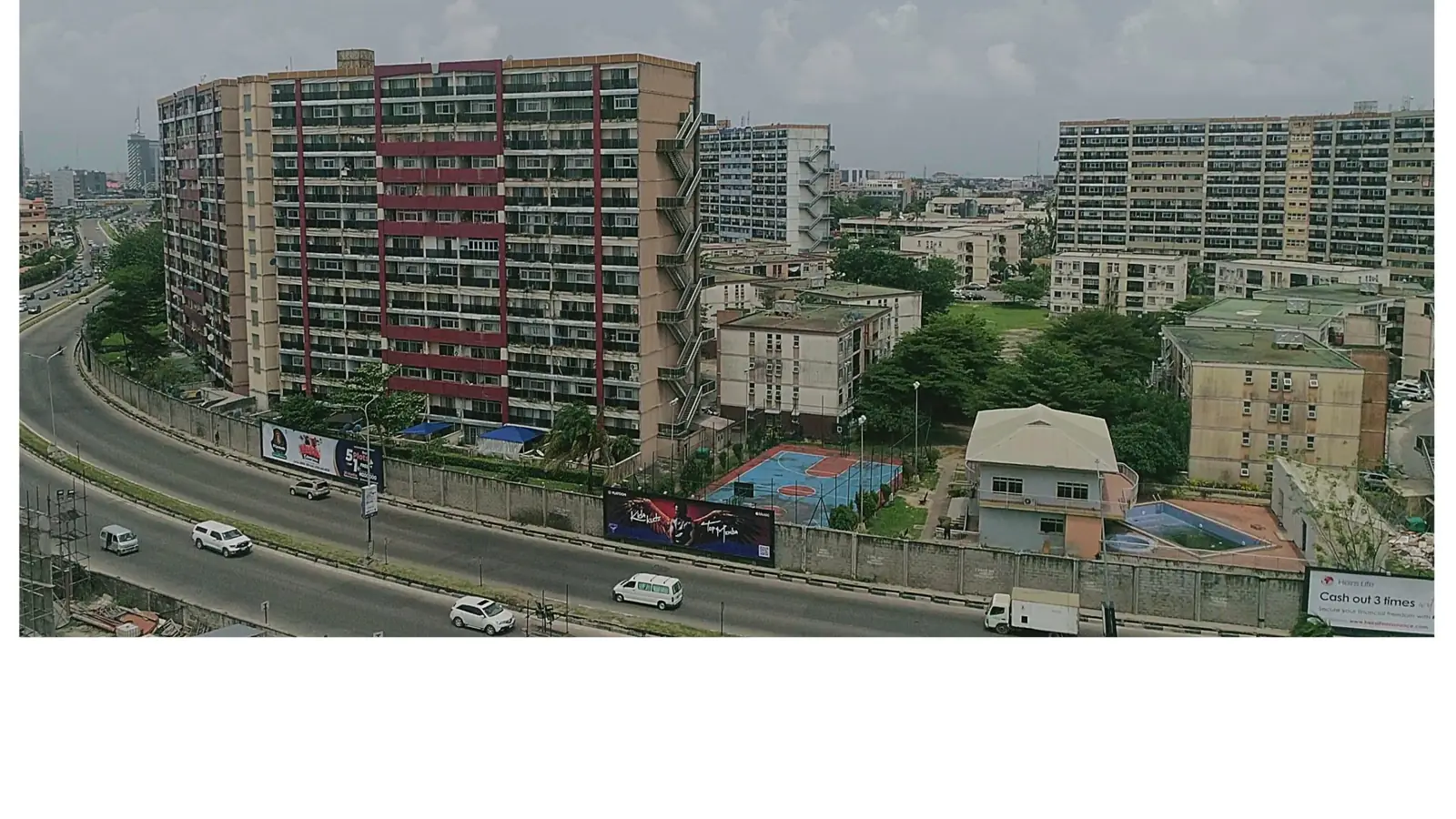
Service charge is the line in a Lagos transaction that gets the least scrutiny and produces the most regret. Buyers interrogate the price to the last million and then accept an annual figure quoted casually in a WhatsApp message, with no breakdown, from an agent who does not manage the building.
It is worth understanding what sits inside that number, because the components move at very different speeds.
Electricity is the volatile part
In April 2024 the Nigerian Electricity Regulatory Commission restructured tariffs around service bands, and Band A customers, those on feeders committed to a minimum of twenty hours of supply a day, went from roughly ₦66 per kilowatt-hour to ₦225. That is an increase of more than 240 per cent applied in a single step. Approved Band A rates for 2025 sit between ₦219.70 and ₦241.45 per kilowatt-hour depending on the distribution company.
Band A customers make up around fifteen per cent of connections nationally but account for something closer to forty per cent of consumption. The serviced estates and apartment blocks buyers on this site are looking at are overwhelmingly on Band A feeders, because twenty hours of supply is precisely what they are selling.
So the first question about any service charge is not how much. It is: what band is this feeder on, and what happens in the hours the grid is not there.
Diesel is the part nobody quotes
Every estate that advertises uninterrupted power is running generators for some part of the day, and diesel is bought at market. In buildings with a common generator, that cost lands in the service charge; in buildings where each unit runs its own, it lands on you directly and the service charge looks deceptively low.
Neither arrangement is wrong. What is wrong is comparing the two figures as though they measure the same thing. A ₦3m charge that includes generator diesel and a ₦1.5m charge that does not are not two prices for one product.
Ask how many hours a day the generator runs, what it consumes, and who buys the fuel.
The rest of the line items
- Water. Borehole, pumps, treatment and storage. Ask about the borehole depth and when the pumps were last replaced; both are expensive and both are deferred until they fail.
- Security. Gate personnel, patrols, CCTV maintenance. Usually the most visible item and rarely the largest.
- Waste. Collection through the approved PSP operator for the area.
- Lifts. Where they exist, service contracts and parts. Lift parts are imported and priced accordingly.
- Common area maintenance. Cleaning, landscaping, painting cycles, drainage clearing.
- Insurance. Building cover, which most owners assume exists and few have seen.
- Management fee. What the facility manager charges to run all of the above.
- Sinking fund. The reserve for roof, lifts, generators and repainting.
That last item is the one to check for, because its absence is the clearest signal you will meet. A building with no reserve is not cheaper to own. It is a building where every major repair arrives as a special levy, at short notice, in a year you had planned something else with the money.
A low service charge with no sinking fund is not a discount. It is a deferred invoice with your name on it.
What to ask before you sign
Ask for the last two years of accounts. Not a summary, the accounts. In a well-run building they exist and someone is proud of them. In a badly run building the request itself tells you what you need to know.
Then ask four specific questions. Is the charge a flat figure per unit or calculated per square metre, and if it is flat, are you subsidising the larger units? Who holds the service charge account, and is it separate from the developer's operating account? What is the current arrears position across the building? And what was last year's actual spend against last year's budget?
The variance between budget and actual is the single most useful number in the file. A building that budgets ₦2m and spends ₦2.1m is being managed. A building that budgets ₦2m and spends ₦3.4m is being discovered.
A note on what is reasonable
There is no benchmark we would publish as a rule, because the range in Lagos is genuinely enormous and legitimately so. A walk-up block in Gbagada with shared borehole and no lift is running a different business from a serviced tower in Ikoyi with three lifts, a treatment plant and 24-hour cover.
What is not legitimate is a number with no working behind it. If nobody can tell you what the money does, the honest assumption is that nobody knows.